
WTFSH involves unwelcome acts, conducts and behaviours that become threatening and distressing done with the use of technology particularly in a workplace context. These unwarranted behaviours can be unwelcomed advances, sexual jokes, stalking, soliciting, image-based abuse and is carried out with digitised tools such as workplace messaging applications, email, and workplace meeting platforms. (Australian Human Rights Commission [AHRC], 2020).
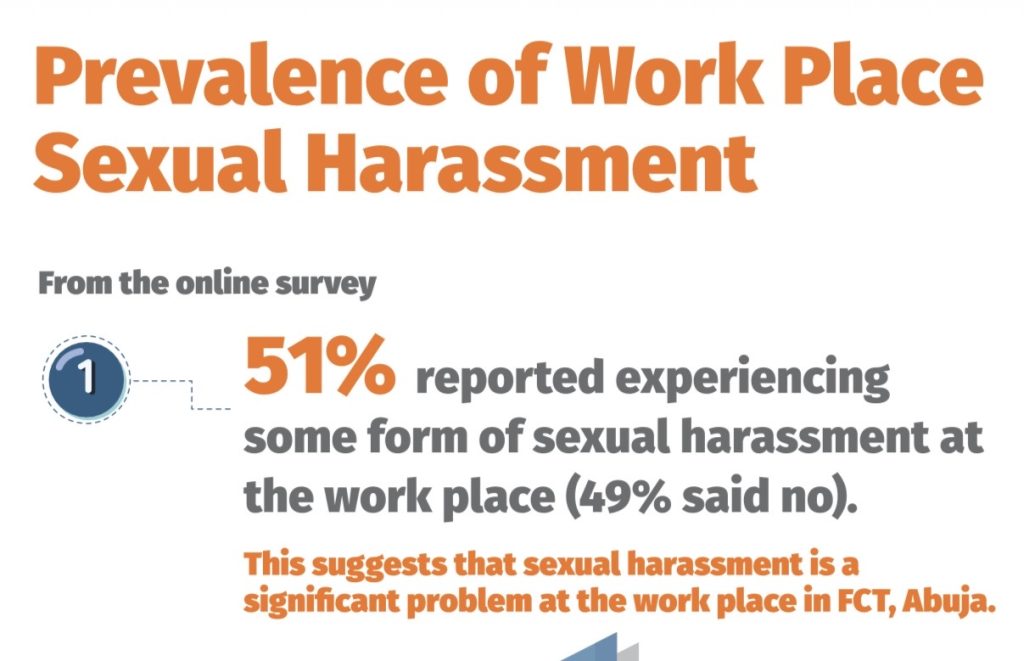
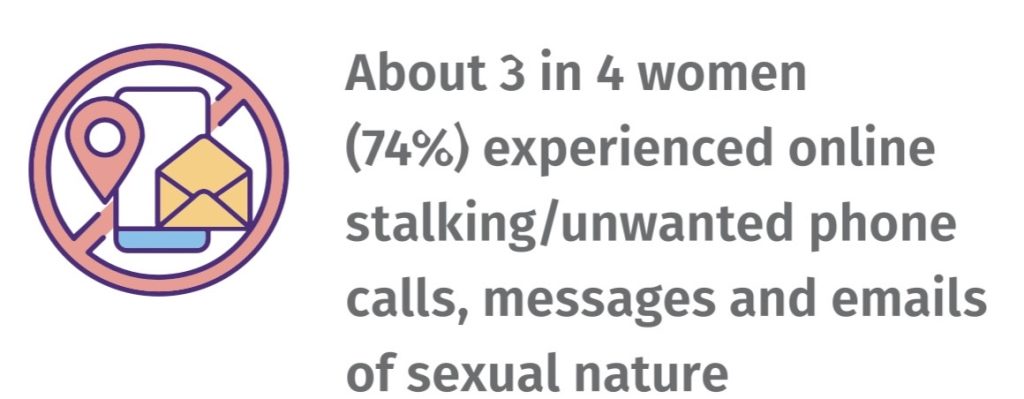
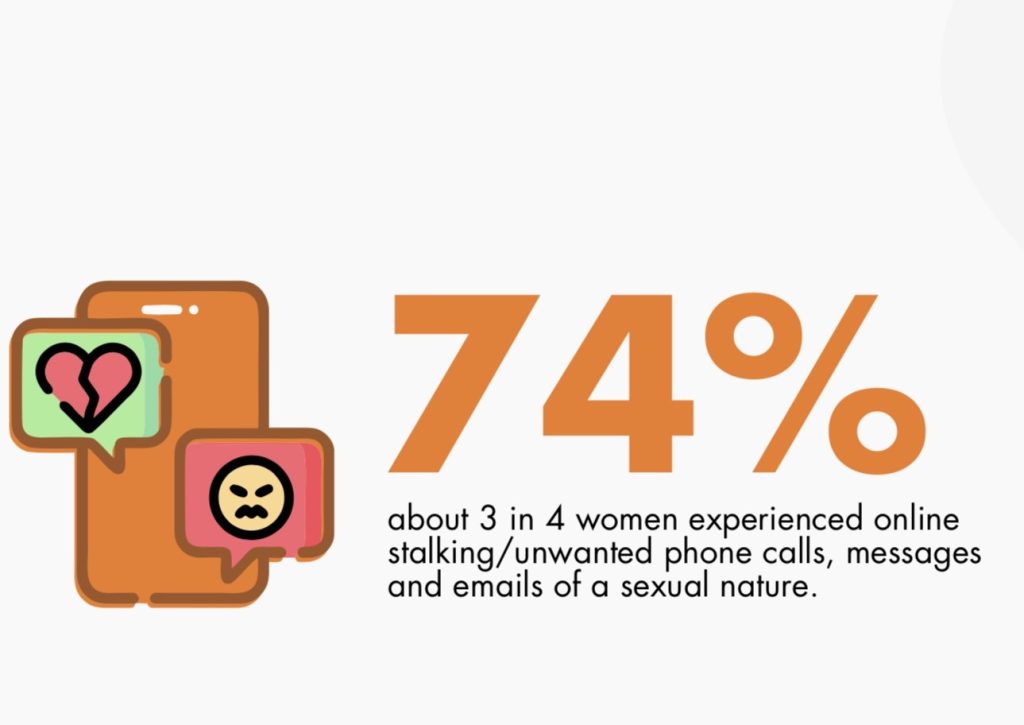
Recent researches have shown that online gender-based-violence is at an alarming rate proving that sexual harassment influencing behaviours has become increased by technology and digital tools. The data from a research project with support from Ford Foundation, conducted by HEIR Women Hub in 2022, show the prevalence of workplace sexual harassment in Nigeria is still a reoccurring problem that targets subordinates and younger women with about 51% of respondents from a target audience of 1,060 participants (aged 18-35) pointing that they have experienced workplace sexual harassment. Further work on workplace sexual harassment intervention with support from the Africa Women’s Development Fund shows that about 3 in 4 women (74%) experienced online stalking, unwanted phone calls, messages and emails of a sexual nature.
Studies show that WTFSH can be perpetrated by colleagues, vendors, clients, customers and members in and around the workplace ecosystem. In an WTFSH survey conducted in Australia (18-39 year old) the participants were asked about the devises they used in perpetrating such acts, the most common devices and platforms were work email, personal email, phone or mobile (calls and Texts), social media accounts (including LinkedIn), work communication and chat platforms (MS Teams, Skype, Zoom, Slack) and personal accounts on chat platforms (Facebook Messenger or WhatsApp) or work calendar
In Nigeria, WTFSH is also a menace. Career opportunities that are unreal are shared on digital platforms and unverified online spaces, promising of work to unsuspecting applicant but some of this hide behind phishing emails, recruitment for trafficking and femicide. In May 2026, Nigerian Immigration Service warned against fake recruitment advertisements over a growing wave of fraudulent migration schemes that target young people (especially women) with false promises of career opportunities, education and picture of a better life but these are curated by network of criminal syndicates for the purposes of human trafficking and exploitation. This digital tools are used to create a website, platform and apps that facilitate such violence across innocent people genuinely searching for employment opportunities.
Our team has engaged with the Violence Against Persons Prohibition Act to highlight and advise the importance in the addition of a clear definition of workplace sexual harassment in the Act and the corresponding consequences for violating the law. This is in progress with the National Agency in the Prohibition of Trafficking in Persons (NAPTIP).
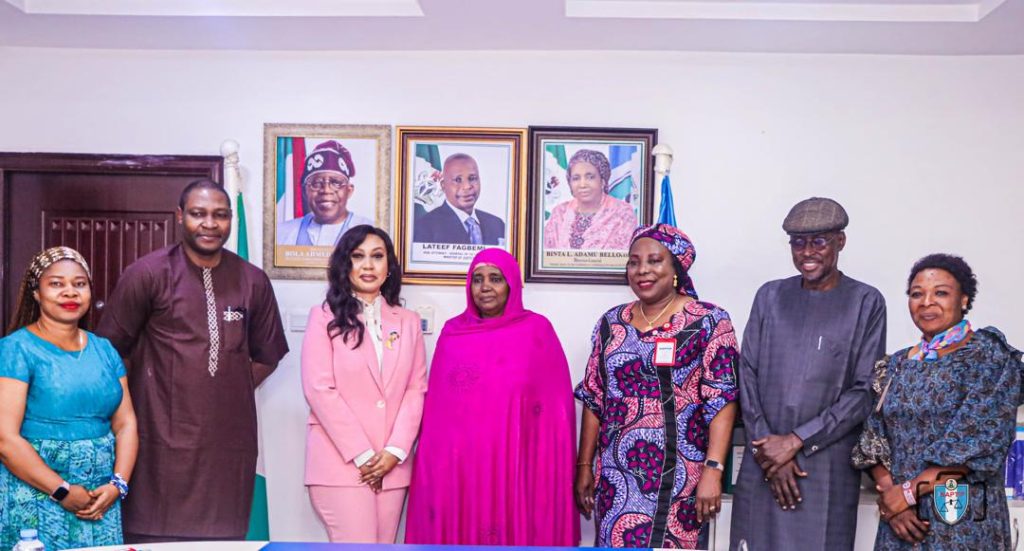
To curb WTFSH is to clearly identify and define what workplace sexual harassment and the forms by which it shows up, developing a sustainable and inclusive workplace policy for sexual harassment, educating and re-educating employees to promote a work culture that does not tolerate sexual harassment of any form or means and to develop workplace digitised tools designed with employee safety first.
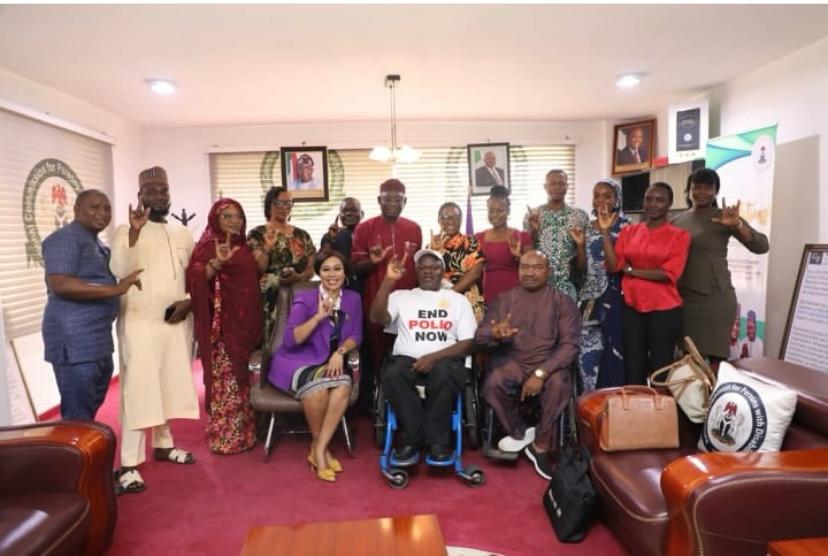
HEIR Women Hub develops strategies to curb workplace sexual harassment through concrete research, data analysis and utilising the outcomes for intervention strategies and advocacy to transform understanding, culture and attitude that influences technology enabled sexual harassment at work. Our team is currently facilitating the development of an inclusive sexual harassment policy for the National Commission for People with Disabilities (NCPWD) and refining organisational work policies for organisations.
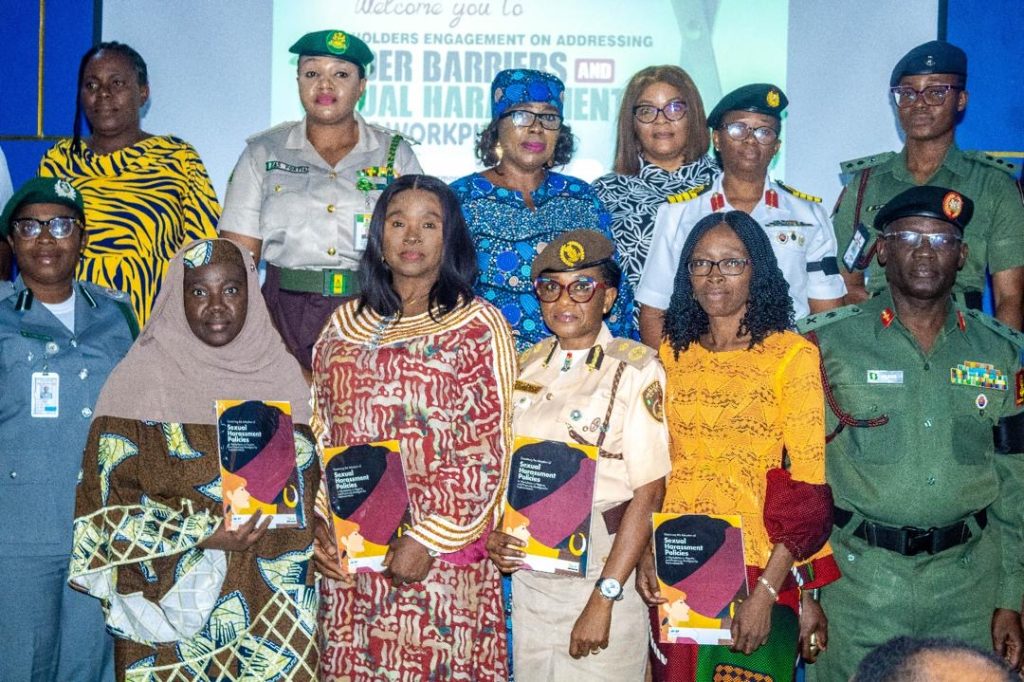
Understanding sexual harassment is key; our team has engaged in sensitisation of workplace sexual harassment with the National Orientation Agency with presence across the 36 States of the Federation and 744 Local Governments. Our goal is simple, to create a culture that rebukes these violence and restrict the trends that technology facilitates.
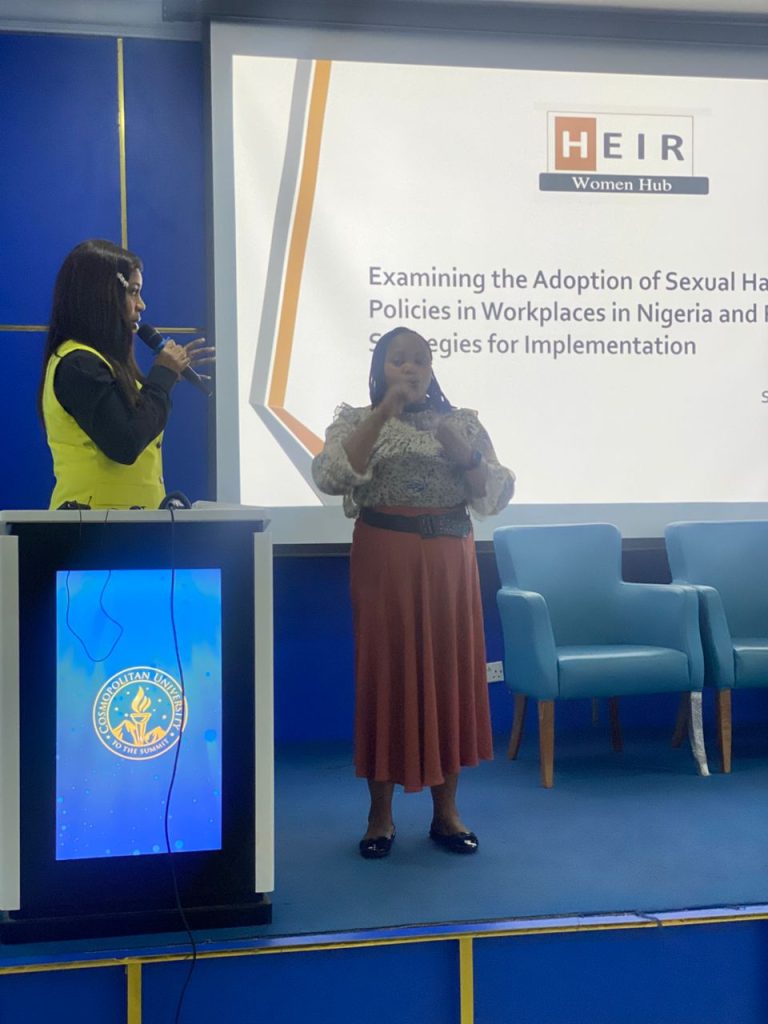
Our pulse is on making a transformational behavioural-attitudinal shift in mindset, systems, structure and workplace culture to promote safety at work.
Connect with us on our Socials – @heirwoman on social networking platforms
Añuli Aniebo
References
Australia’s National Research Organisation for Women’s Safety. (2024). Perpetration of workplace technology-facilitated sexual harassment [Fact sheet]. ANROWS.
Flynn, A., Powell, A., & Wheildon, L. (2024). Workplace technology-facilitated sexual harassment: Perpetration, responses and prevention (Research report, 03/2024). ANROWS.
HEIR Women Hub Research on Sexual Harassment at Work. (2022). Career barriers and workplace sexual harassment against young women in FCT.